Lydiard still matters because the training logic is durable
Arthur Lydiard’s system has been repeated, simplified, worshipped, misquoted, and flattened into the phrase base training. The original idea was much richer than a long block of easy running.
Lydiard built a method around sequence: develop a large aerobic platform, add hill resistance, introduce anaerobic work, sharpen coordination, then freshen up for racing. The details came from a specific time, place, and athlete group. The underlying logic still maps cleanly onto how good endurance training works.
For a modern runner, the useful question is simple: which parts still transfer, and which parts need scaling?
Key takeaways
Lydiard’s biggest enduring contribution is the priority he gave to aerobic development before heavy race-specific intensity.
His periodization model still gives runners a useful order of operations: capacity, strength, speed, coordination, taper.
Hill training in the Lydiard system works as a bridge between general aerobic running and faster mechanics.
The famous 100-mile week should be treated as a historical reference point for elite-level stress, not a universal prescription.
Modern runners can keep the Lydiard logic while adjusting volume, intensity distribution, strength work, recovery, fueling, and race demands.
kaizen’s load-based view fits this problem well: the goal is to preserve the training trajectory while adapting the week to the runner’s real context.
What Lydiard actually built
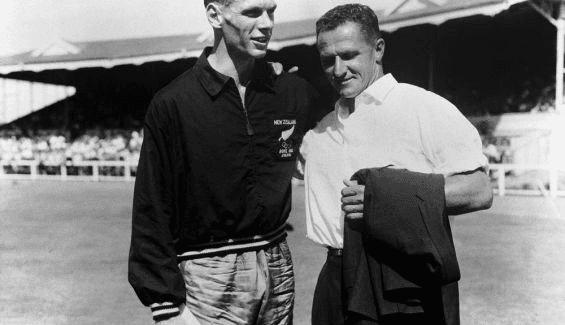
Lydiard coached in New Zealand during the mid-20th century and became globally influential through athletes including Peter Snell, Murray Halberg, Barry Magee, and others. The results were real: Olympic medals, world records, and a training philosophy that spread through distance running for decades.
The simplified version usually sounds like this: run a lot of miles, mostly aerobic, then add speed. That captures one surface feature. The fuller system had distinct phases.
The classic sequence
Lydiard’s periodized model is commonly described in these broad blocks:
Aerobic conditioning: high-volume running at mostly steady aerobic efforts, including long runs.
Hill resistance: bounding, springing, and hill circuits to build strength and improve mechanics under load.
Anaerobic development: interval work to improve tolerance and speed at high intensities.
Coordination and sharpening: race-specific work, time trials, pace familiarity, and neuromuscular refinement.
Freshening/tapering: reduced load so fitness can express itself on race day.
The order matters. Lydiard was trying to prepare the body for harder, more specific work by first increasing the athlete’s ability to absorb training. That idea remains one of the clearest ways to think about endurance development.
The aerobic base idea still holds up
Lydiard’s belief in aerobic conditioning has aged well. Distance races are governed heavily by aerobic metabolism, even when they feel brutally fast. A well-developed aerobic system supports higher sustainable speeds, faster recovery between hard efforts, better durability late in races, and more repeatable training.
Modern exercise physiology has given us more vocabulary than Lydiard had. We talk about mitochondrial adaptations, capillary density, plasma volume, fat oxidation, lactate dynamics, autonomic stress, and musculoskeletal resilience. The language changed. The training implication remains familiar: a runner needs enough low-to-moderate intensity work to build capacity without constantly pulling recovery resources into emergency mode.
Experienced runners understand this in practice. The athlete who can run controlled mileage for months tends to tolerate specific sessions better. Threshold work becomes repeatable. Long runs stop being heroic events. Marathon pace becomes less brittle. Even 5K and 10K runners benefit because their interval work sits on top of a bigger aerobic engine.
The caveat is dose. Lydiard’s elite athletes are often associated with roughly 100 miles per week, sometimes with additional jogging. That number has become mythological. For a runner with a job, limited sleep, a history of bone stress injury, or a lower training age, the principle needs translation. The relevant target is an appropriate chronic load for that athlete, built gradually enough that the body can adapt.
A 45-mile week can be a serious aerobic stimulus for one runner. A 90-mile week can be maintenance for another. Mileage alone misses pace, terrain, elevation, frequency, long-run distribution, and recent training history. Lydiard’s principle survives best when base is understood as accumulated aerobic load, not a sacred weekly distance.
The system was more intense than people remember
Many runners associate Lydiard with easy miles. His base phase included plenty of aerobic running, but much of it was steady, hilly, and purposeful. The famous routes around Auckland were not flat recovery loops. The effort was often described in feel-based language, with athletes running strongly while staying under the kind of strain that would compromise the next day.
That distinction matters for modern application. Easy running, steady running, aerobic threshold running, and moderate hilly running all sit in different places on the stress spectrum. They can all belong in a base phase, but they do different jobs.
For a well-trained athlete, a steady aerobic run may build useful durability. For an athlete carrying fatigue, the same run may become hidden intensity. For a marathoner training on rolling roads, elevation can lift muscular and metabolic cost at the same pace. For a runner using GPS pace as the only guide, the session may look controlled on paper while the legs experience something closer to a workout.
This is where Lydiard’s feel-based coaching and modern load tracking can complement each other. The old system valued effort. Modern tools can estimate how pace, grade, duration, and frequency change the cost of that effort. Good training uses both.
Hills were the bridge, and that still makes sense
Lydiard’s hill phase is one of the most interesting parts of the system. It sits after aerobic conditioning and before more conventional anaerobic interval work. The goal was to develop strength, power, coordination, and elasticity while keeping the work connected to running.
Hill circuits, bounding, and springing are easy to caricature because they look old-school. The mechanism is still plausible. Uphill running increases force demand, changes stride mechanics, and can create a strong neuromuscular stimulus with lower absolute speeds than flat sprinting. That can be useful before an athlete moves into sharper work.
Modern coaches often use hills in a less formal way: short hill sprints after easy runs, uphill tempo segments, rolling long runs, or hill reps during general preparation. The Lydiard structure offers a reminder that hills can be more than course simulation. They can prepare the chassis for faster running.
The risk is enthusiasm. Bounding and springing can be demanding on calves, Achilles tendons, feet, and hips. A runner who jumps from flat aerobic running into aggressive hill drills may create a problem quickly. The practical version is progressive: introduce hills through normal running first, then short controlled repetitions, then more demanding mechanics if the athlete is tolerating the load.
Periodization remains useful, with more flexible edges
Lydiard’s system gives training a story arc. Build capacity. Add resistance. Add speed. Coordinate the pieces. Freshen up. That sequence reduces random training and gives each phase a job.
Modern racing calendars complicate the clean model. Many runners race year-round. Marathoners may carry threshold work through base. Track athletes may touch speed in small doses throughout the year. Masters runners may need more frequent neuromuscular work to maintain coordination. Some athletes respond better when intensity is never fully removed, only adjusted.
A rigid interpretation can cause problems. If a runner spends months doing only slow mileage, faster mechanics may feel foreign. If a runner jumps from aerobic work into a dense interval block, injury risk can rise. If the calendar demands a tune-up race, the athlete may need smaller doses of specificity earlier than a textbook phase model suggests.
The useful Lydiard idea is sequencing stress with intent. The exact boundaries can move. A base phase can include strides. A hill phase can include aerobic maintenance. A marathon build can keep threshold work alive while the long run becomes more specific. The phase label matters less than the load, the adaptation target, and the athlete’s response.
What modern runners should adjust
Copying historical training literally usually strips out the context that made it work. Lydiard’s athletes were highly talented, highly motivated, and coached within a specific environment. Modern runners have different surfaces, shoes, work schedules, travel, sleep patterns, strength training norms, fueling knowledge, and race options.
A modern Lydiard-informed build might keep these elements:
A long aerobic development period before the most demanding race-specific work.
A high frequency of running where the athlete can tolerate it.
Long runs that develop endurance without becoming weekly races.
Hills as a planned strength and mechanics stimulus.
Sharpening that arrives after capacity has been built.
Tapering that reduces fatigue while preserving rhythm.
The adjustments are equally important:
Scale volume to training age, durability, and life stress.
Track effort on hills rather than forcing flat-ground pace.
Keep small doses of speed or strides when helpful for mechanics.
Use strength training intelligently, especially for masters runners and injury-prone athletes.
Fuel longer and harder runs with current sports nutrition knowledge.
Treat cross-training as a load contributor when it is meaningful, especially during injury management or high-stress weeks.
The best modern version respects the body’s accounting system. Running stress comes from distance, intensity, elevation, frequency, surface, and accumulated fatigue. A 70-minute hilly run after poor sleep may cost more than a flat 90-minute aerobic run in a stable week. A bike session may support aerobic load while reducing impact, but it will not create the same musculoskeletal demand as running. Those distinctions matter.
The kaizen reading of Lydiard
Lydiard’s system was built around progressive load and adaptation. That makes it surprisingly compatible with a modern adaptive training model.
The underlying target should be the training stress needed to move a runner toward a goal. Weekly mileage is one translation of that target. Pace, elevation, workout density, long-run structure, and cross-training can change the actual cost of the week.
That matters when real life interferes. If a runner misses Tuesday intervals, the answer is rarely as simple as cramming the session into Wednesday and preserving the spreadsheet. The better question is how the week’s load, intensity distribution, and recovery pattern have changed. Sometimes the target can still be met with a different arrangement. Sometimes the target should move.
kaizen estimates current fitness, quantifies training load, and gives weekly targets that adapt as training data changes. That approach lines up with the part of Lydiard that still feels modern: consistent, well-calibrated work over time, sequenced in a way the runner can actually absorb.
Where the evidence is solid, and where it gets fuzzy
The verified historical facts are broad rather than session-perfect. Lydiard coached world-class athletes, advocated substantial aerobic development, used hill resistance training, and promoted a periodized sequence leading into racing. His books and lectures describe the system in detail, but exact implementation varied by athlete and era.
The science supports many surrounding ideas: high volumes of low-intensity work are common among successful endurance athletes; intensity distribution tends to be weighted heavily toward easier work; hills can provide a meaningful strength and neuromuscular stimulus; tapering generally improves performance when load is reduced while some intensity is maintained. The evidence is strongest at the principle level.
The uncertain part is prescription. There is no clean randomized trial proving that a classic Lydiard block beats every other modern system for a given runner. Elite results are compelling, but they come with selection bias, coaching context, athlete genetics, and era-specific conditions. The 100-mile reference point should be interpreted through that uncertainty.
A fair reading is that Lydiard got the big architecture right: build aerobic capacity, prepare the legs, sharpen with purpose, and arrive fresh. Modern runners can use that architecture while individualizing the dose.
If you want to train with that kind of load awareness, kaizen gives you a practical way to do it. The app turns your running data into current fitness estimates and weekly targets, then adjusts when your actual week changes. Lydiard gave runners a durable training logic. kaizen helps apply that logic to the messy calendar you actually live with.


