
Training tips
Follow our blog for productive tips and stories from the kaizen community.

What 1.7 million recreational marathoners' split times show about fast starts, fast finishes and even pacing, and how far the data can be trusted.

What critical speed and D′ are, how they're worked out from your best efforts, and what they show about marathon pacing in elite and recreational runners.

What uphill intervals do for distance runners, what the small trials in well-trained runners actually found, and where hills fit in a week of consistent running.

Where the 180 steps per minute figure came from, what the cadence research shows for recreational and elite runners, and why most runners can stop counting.

The 10% rule is a heuristic with almost no evidence behind it. What the injury studies actually tested, who they tested, and how to build mileage sensibly.

The fastest marathons in the UK, ranked by kaizen's PB Potential Rating, with course elevation, race-day weather, records and field depth.

When splitting a day's running into two sessions helps marathoners, what the evidence on run frequency and volume shows, and which runners it suits.

What VO2max intervals train, how often trained distance runners use them, and why the measured gains shrink the fitter and more experienced you are.

What marathon-pace training is for, how it differs from threshold for recreational runners, and where race-pace work belongs in a block.

How long should your marathon long run be? What the research says about longest-run distance, the three-hour rule and long-run pace.

Tempo vs threshold running: how Daniels, Pfitzinger and the lab define each term, where LT1, LT2 and MLSS fit, and how much the label matters.

How easy should easy runs be? Talk Test and ventilatory threshold research points to comfortable conversation, and explains why easy days drift too hard.

The 10 fastest half marathons in Europe, ranked by kaizen's PB Potential Rating, with scores, records and course details.

What block periodisation is, how Issurin's accumulation, transmutation and realisation blocks work, and what the evidence in endurance athletes shows.

Jess McClain took second at the 2026 NYC Marathon by 0.4s. What running the tangents means, how courses are measured, and how to apply it.

What running economy is, how it's measured, and which interventions the evidence supports: training volume, strength, altitude and footwear in general terms.

What a systematic review of 24 studies found on strength training for distance runners: running economy, body composition, dose, type and timing.

What controlled trials and meta-analyses show about timing hard runs on morning HRV, what was measured, the study limits and how to use HRV sensibly.

What Zone 2 means in three-zone and five-zone models, what the lactate and fat-oxidation research supports, and where the Zone 2 hype outruns the evidence.

Polarised or pyramidal? What the research on elite distance runners shows about intensity distribution, and how much threshold work suits a marathon build.

How Pete Pfitzinger's Advanced Marathoning plans build a marathon: mileage bands, medium-long runs, lactate-threshold work, marathon-pace runs and the taper.

What Jack Daniels' VDOT measures, how E, M, T, I and R paces fit together, and where one race result sets paces your current training can't support.

C.J. Albertson's repeat-marathon training shows how durability, fuelling, and recovery shape fast turnarounds between hard marathons.

How Norwegian double-threshold training works, what is documented, and how marathoners can adapt it without copying track sessions blindly.

A practical analysis of Sabastian Sawe's documented London Marathon build: 10-day cycles, high volume, doubles, and hill sprints.

John Korir's Boston 2024 training: altitude, high volume, double-threshold work, RAK Half fitness, and what runners can use.

Dakotah Lindwurm's 2024 season shows how durable, repeatable marathon training can beat flashier training narratives.
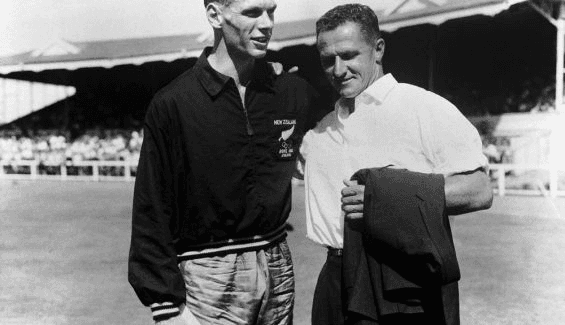
Lydiard's lasting value: aerobic base, hills, periodisation, and load sequencing for modern runners without copying 1960s training literally.

Hansons marathon training explained: cumulative fatigue, the 16-mile long run, weekly load, and what serious runners should borrow.

What Clayton Young's long-run double teaches serious runners about marathon load, recovery, and splitting big aerobic work intelligently.
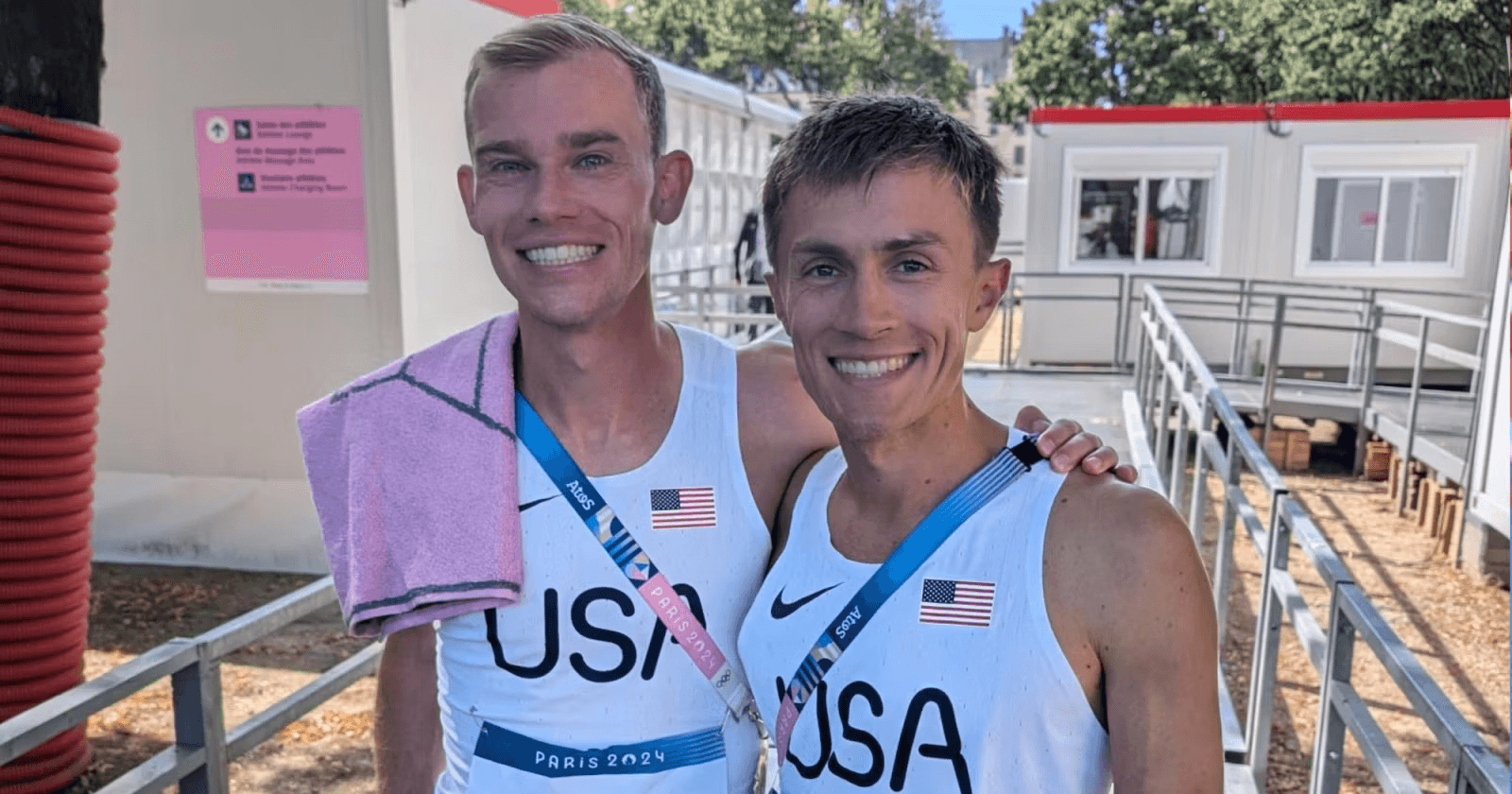
Conner Mantz's Paris Olympic marathon build shows specificity as problem-solving: preserve load, adapt when injured, and sharpen for the course that decides the race.
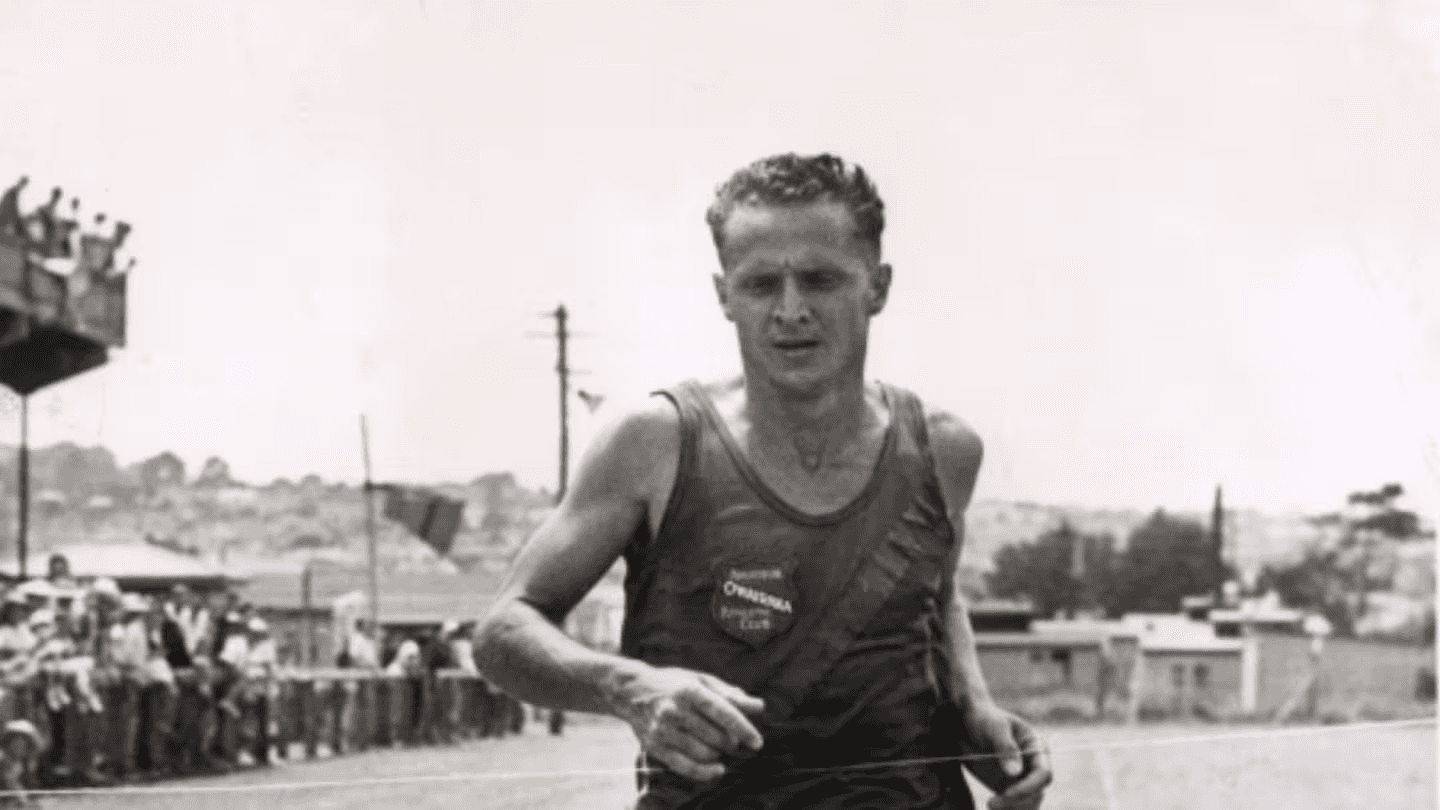
Arthur Lydiard's base phase was a high-load aerobic system: volume, hills, effort control, and periodisation... harder than easy miles alone.

What BYU's marathon group shows after Conner Mantz's U.S. record: partners, altitude, continuity, and durable marathon preparation.

Sifan Hassan's range from track medals to marathon wins shows why durable fitness matters more than copying a single training style.
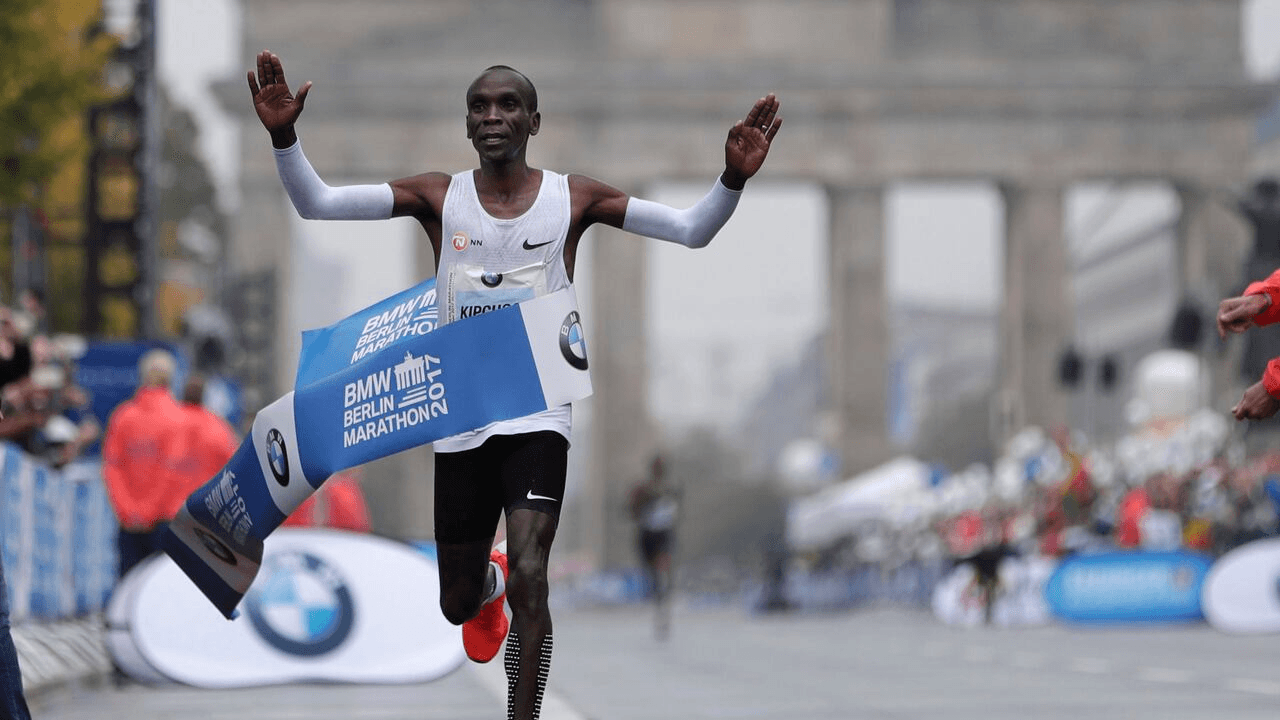
Kipchoge's Berlin 2017 block shows why marathon training is less about magic workouts and more about repeatable weekly rhythm.
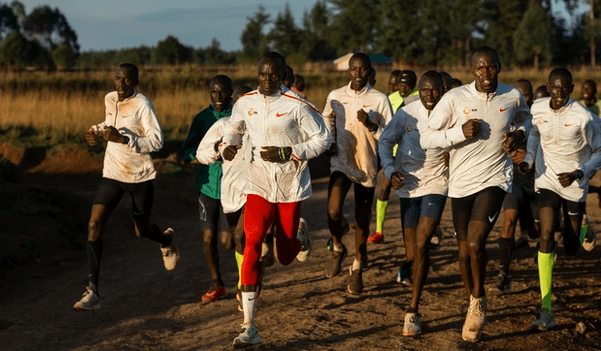
Elite workouts are useful to study, but dangerous to copy. The real lesson is not the session. It is the training load that made it possible.

Renato Canova's marathon system is not about heroic workouts. It is about specific endurance, race-pace load, and knowing what not to copy.
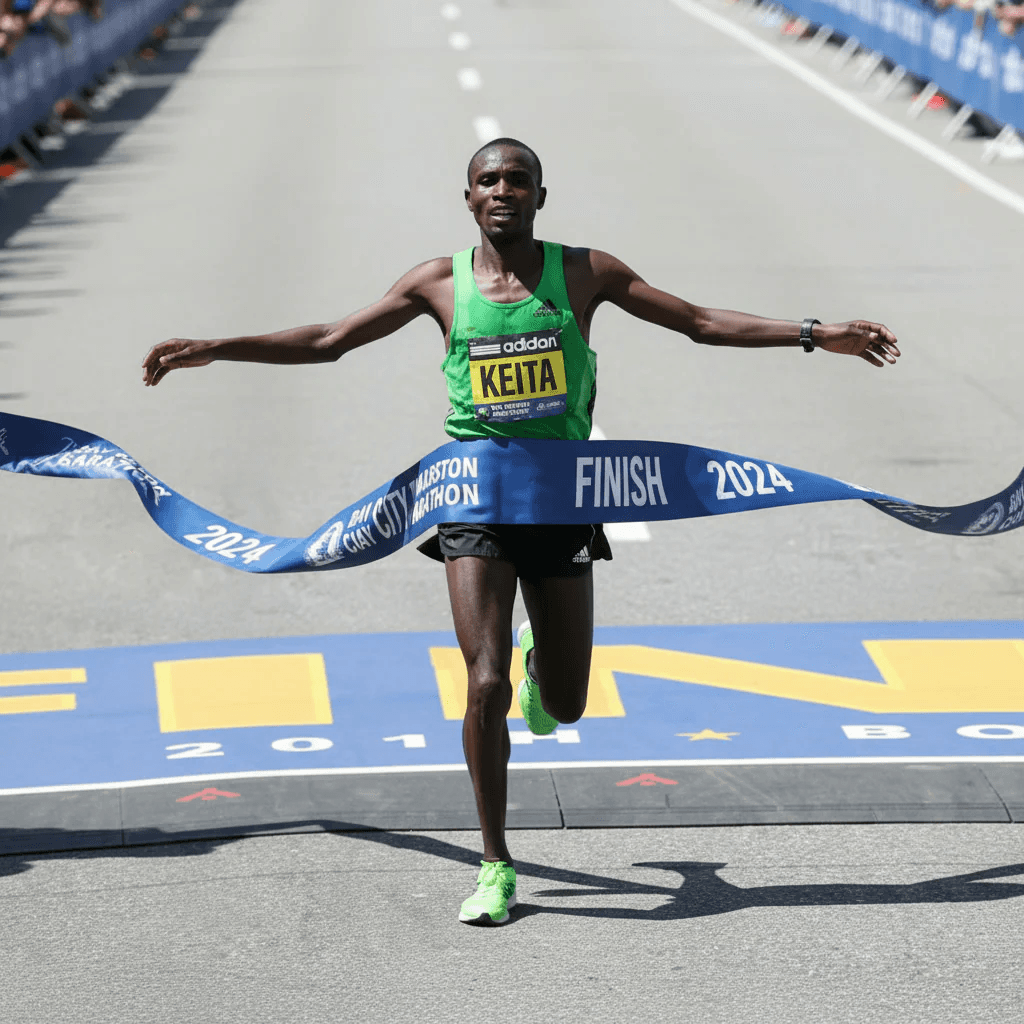
DNS and DNF are not failures. Learn when runners should skip a race, stop mid-race, or push through safely.

The best marathons in Asia depend on your goal. Compare fast, scenic, destination, and beginner-friendly races for 2026.
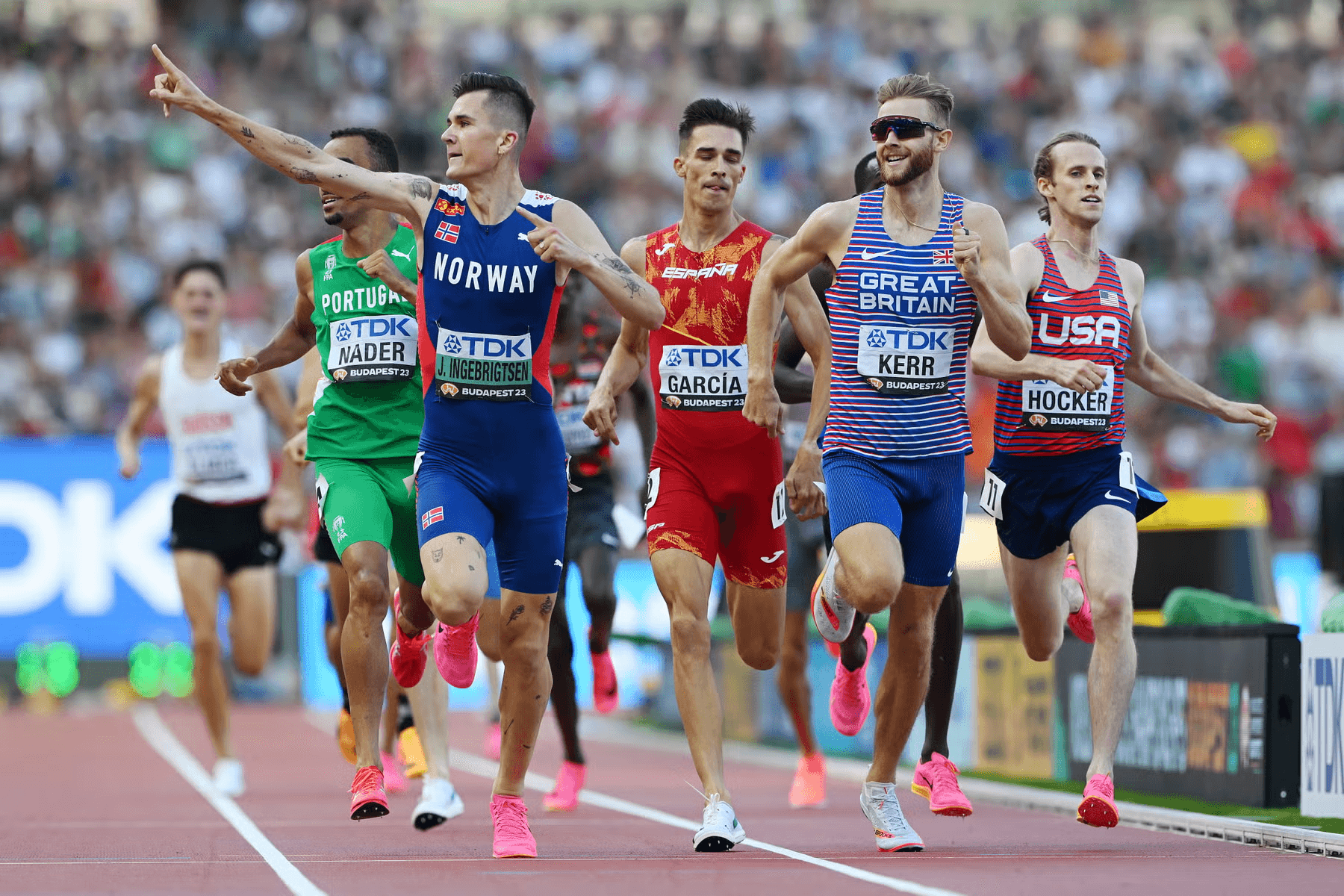
Jakob Ingebrigtsen is not just doing harder workouts. His system is built around controlled load, high volume, and repeatable quality.
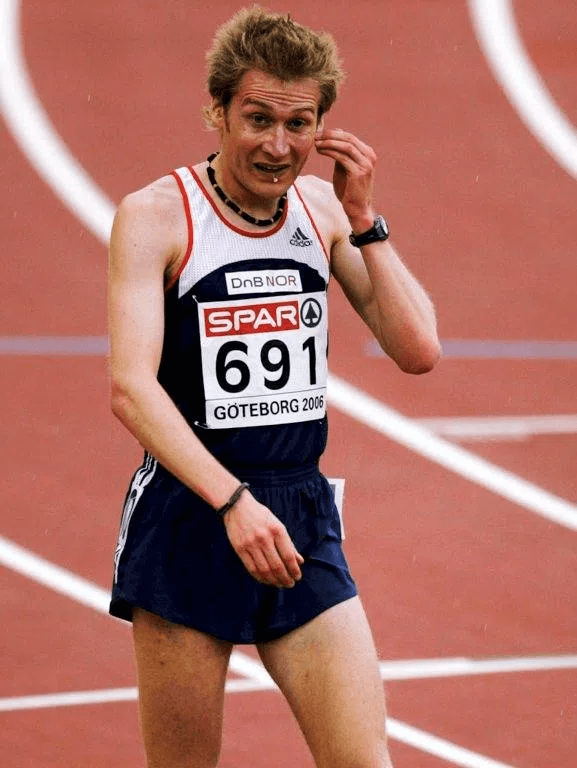
Double threshold is not magic lactate cosplay. It is a way to accumulate controlled, repeatable training load without racing every workout.
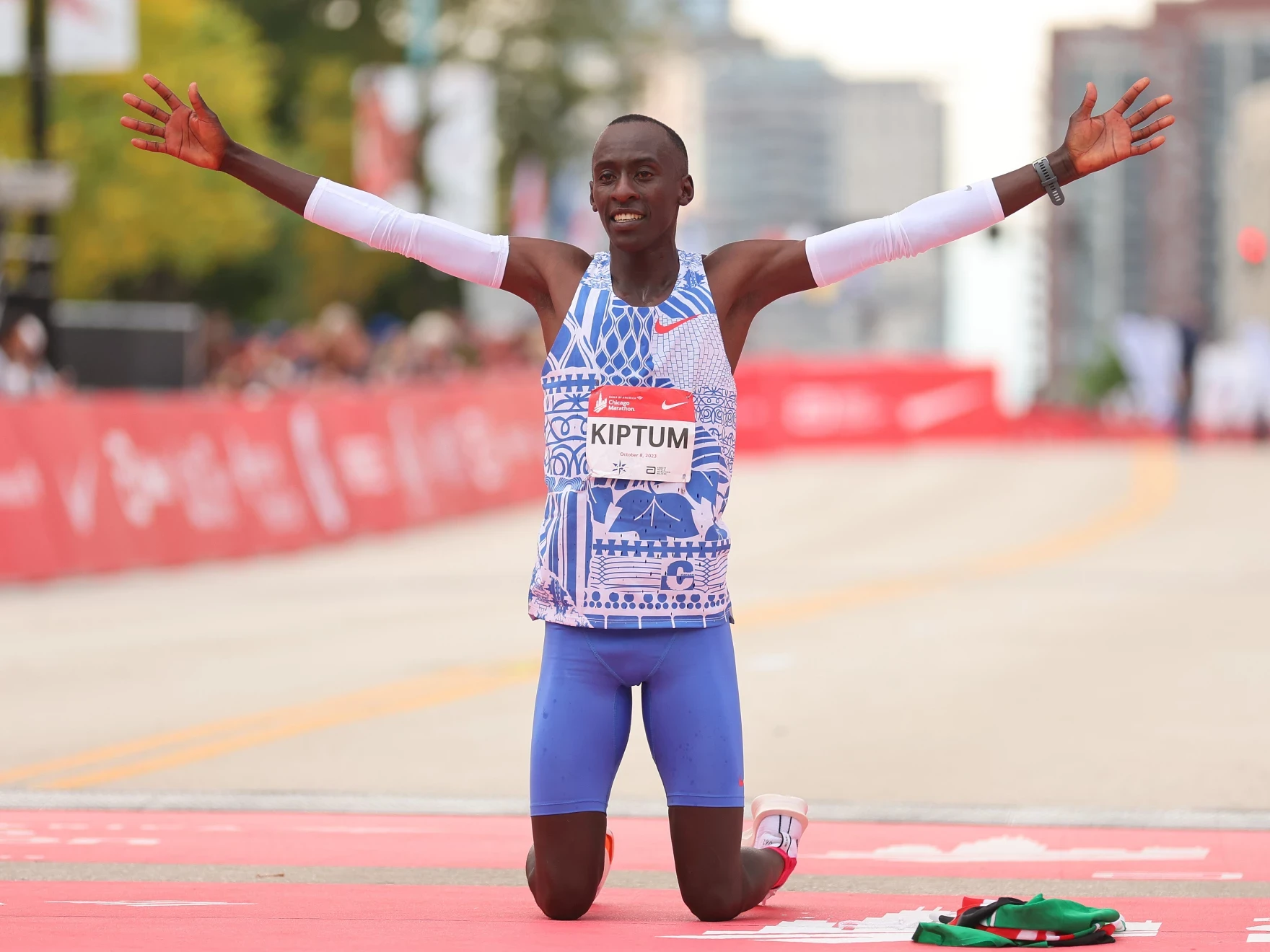
Kiptum's Chicago block was famous for huge mileage. The real lesson is load, durability, and what your body can absorb.

How elite runners fuel. The science behind carb loading, hydration, caffeine & gut training — practical, evidence-based nutrition tips to boost performance.

A new meta-analysis shows caffeine and bicarbonate can genuinely boost running performance. Find out what works, what doesn’t, and how to use them safely.

Does tapering before a marathon actually improve performance? Discover what big-data studies on 158,000 runners reveal about taper length and real-world results

From Chicago to Houston to hidden gems like CIM, here are the fastest US marathons ranked by data and reputation for your next PB.
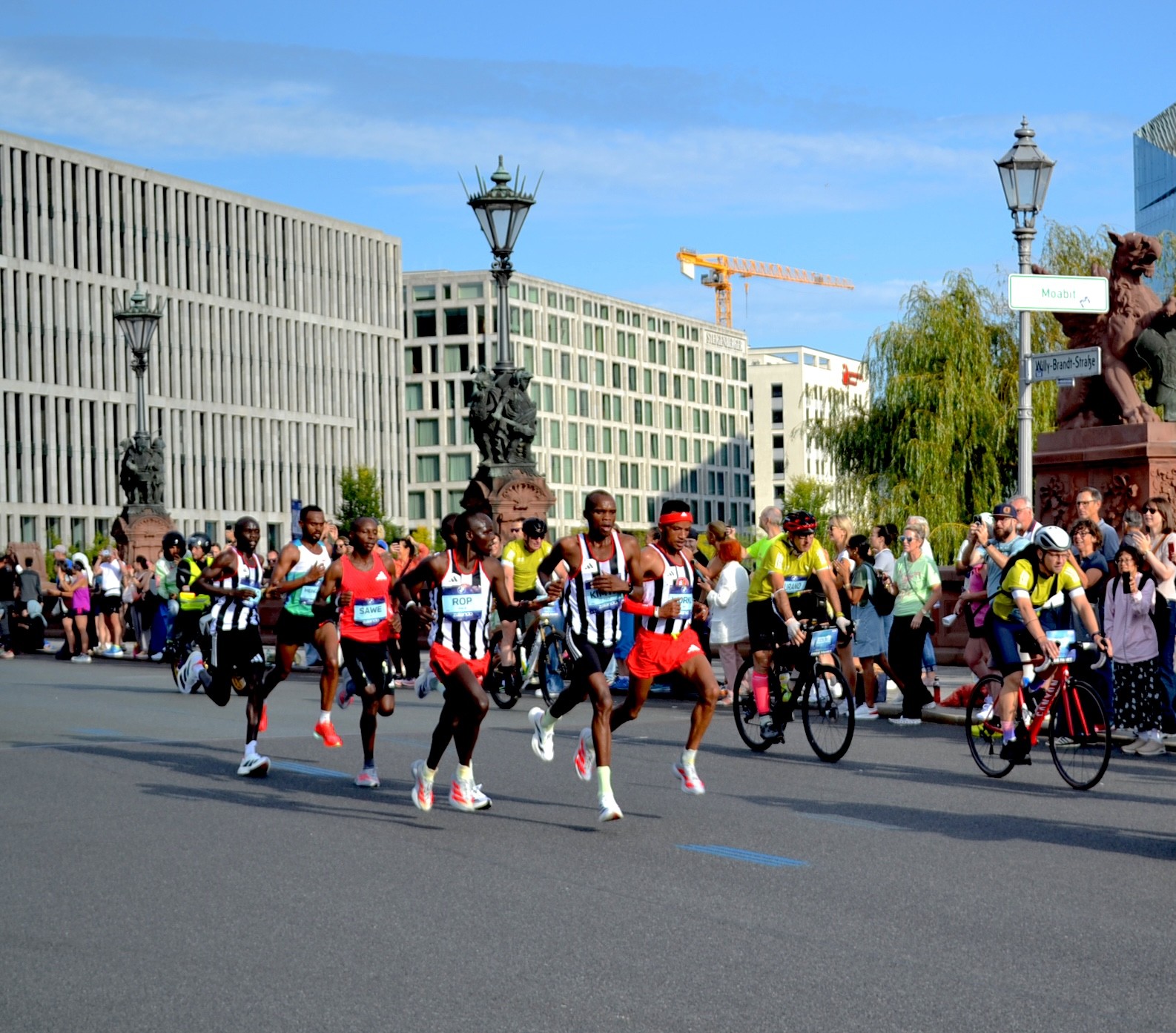
Discover how drafting in running improves efficiency and speed. Learn the real science behind air resistance, pacing, and smarter racing.
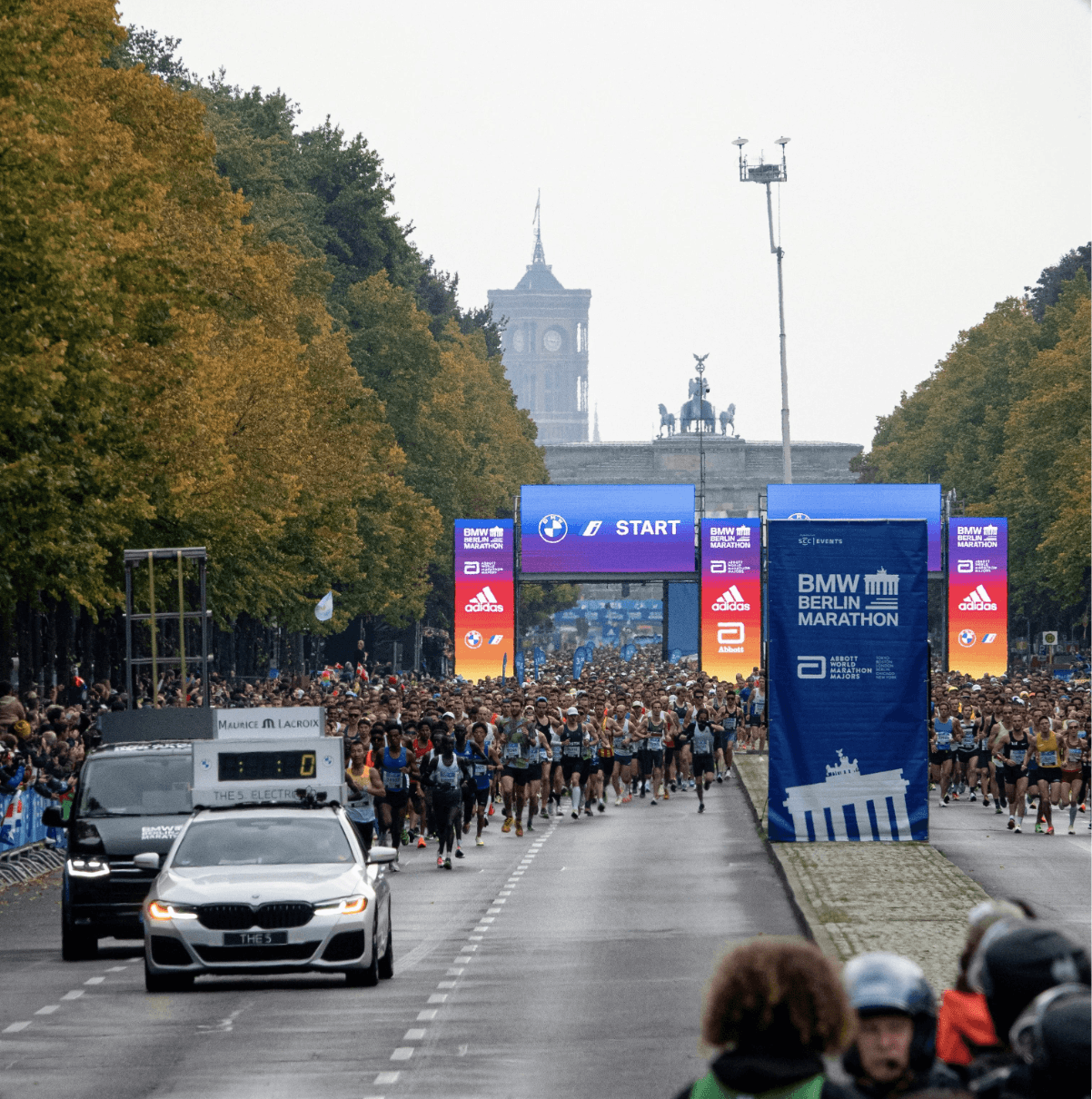
Berlin Marathon course preview: the flat, fast route, aid station layout, race-day weather, a pacing blueprint and logistics for your PB attempt.
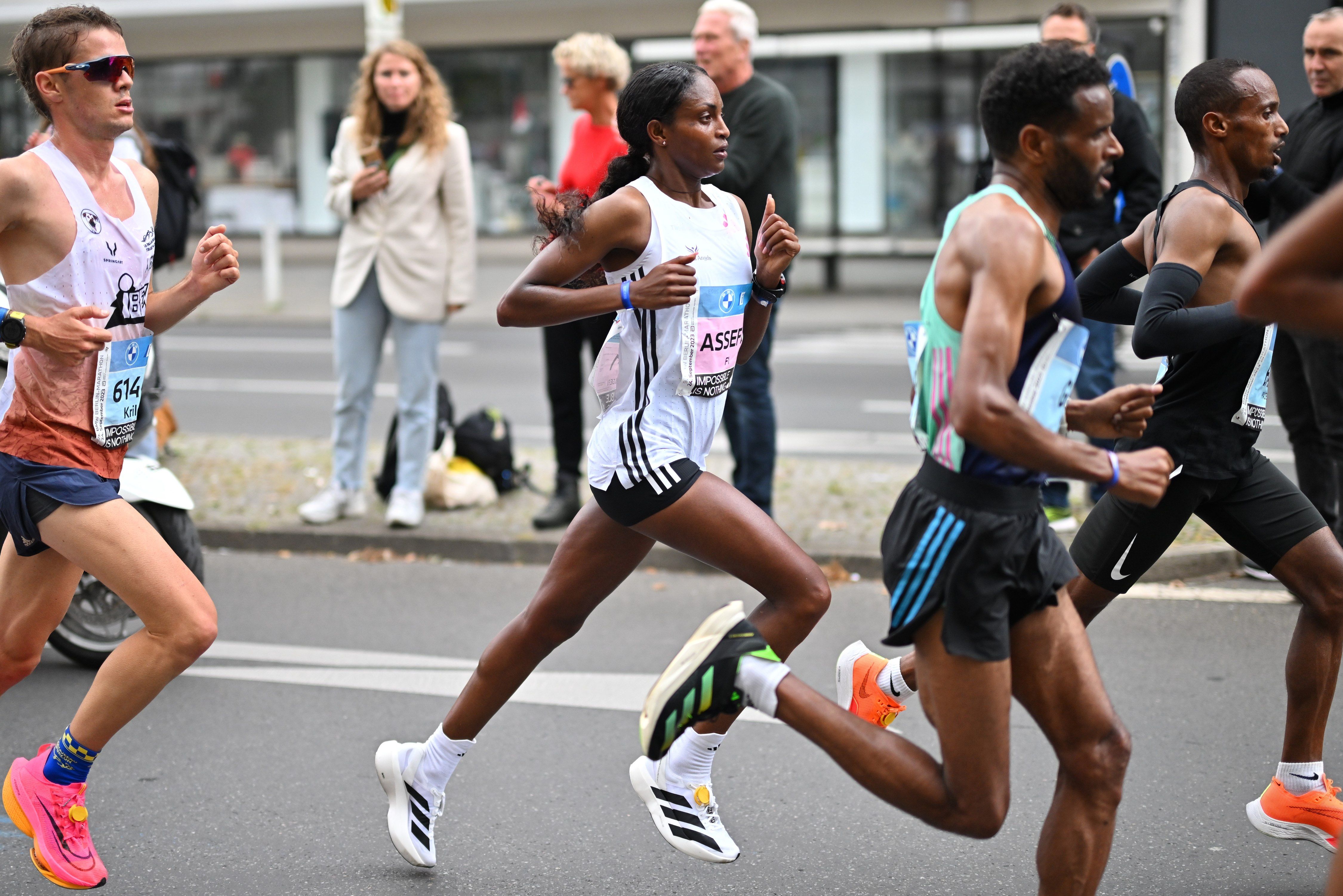
Berlin Marathon takes off in just over a week. Check out 6 inspiring performances from the worlds greatest endurance athletes across the marathon distance

How to fuel your training runs as a marathon runner. Some tips and tricks to help you stay energised and deliver high performance. Hint: it involves carbs!

how to run your first (or 10th) marathon with expert tips on pacing, fuelling, and preparation. Avoid common mistakes, train smarter, run faster.
Data-backed list of Europe’s 12 fastest marathons. Compare average times, sub-3 depth, entry fees, travel costs, and booking dates to lock in your next PB.

New study of 5205 runners shows injury risk spikes when a single run exceeds your 30-day ceiling. Learn to balance risk vs reward and train smarter with kaizen.
Run stronger with the kaizen method—discover 25 best foods and drinks to eat before running, plus expert tips on timing, portion size, and what to avoid.

New to running? Learn simple tips to enjoy it more—slow down, track progress, run in nature, jog with friends, and take the pressure off.

Master pre-marathon fuelling with simple carb-loading tips. Learn what, when, and how much to eat to fill glycogen stores and maximise race-day energy.

Finished your kaizen doughnut? Learn when to add extra runs, balance recovery, and stay consistent without risking injury or burnout.

Ease into speed work with legendary Aussie workouts Deek’s Quarters and Mona Fartlek—simple, flexible sessions to build confidence and fitness.

Maximise your kaizen training with simple principles: consistency, distance, smart rest, long runs and speed work—without stressing the small details.

Choose the right race-day clothes: stay cool, avoid chafing, wear tested gear and fast shoes. Comfort and preparation make all the difference.